Avon Lady (An Investigation, 2025)
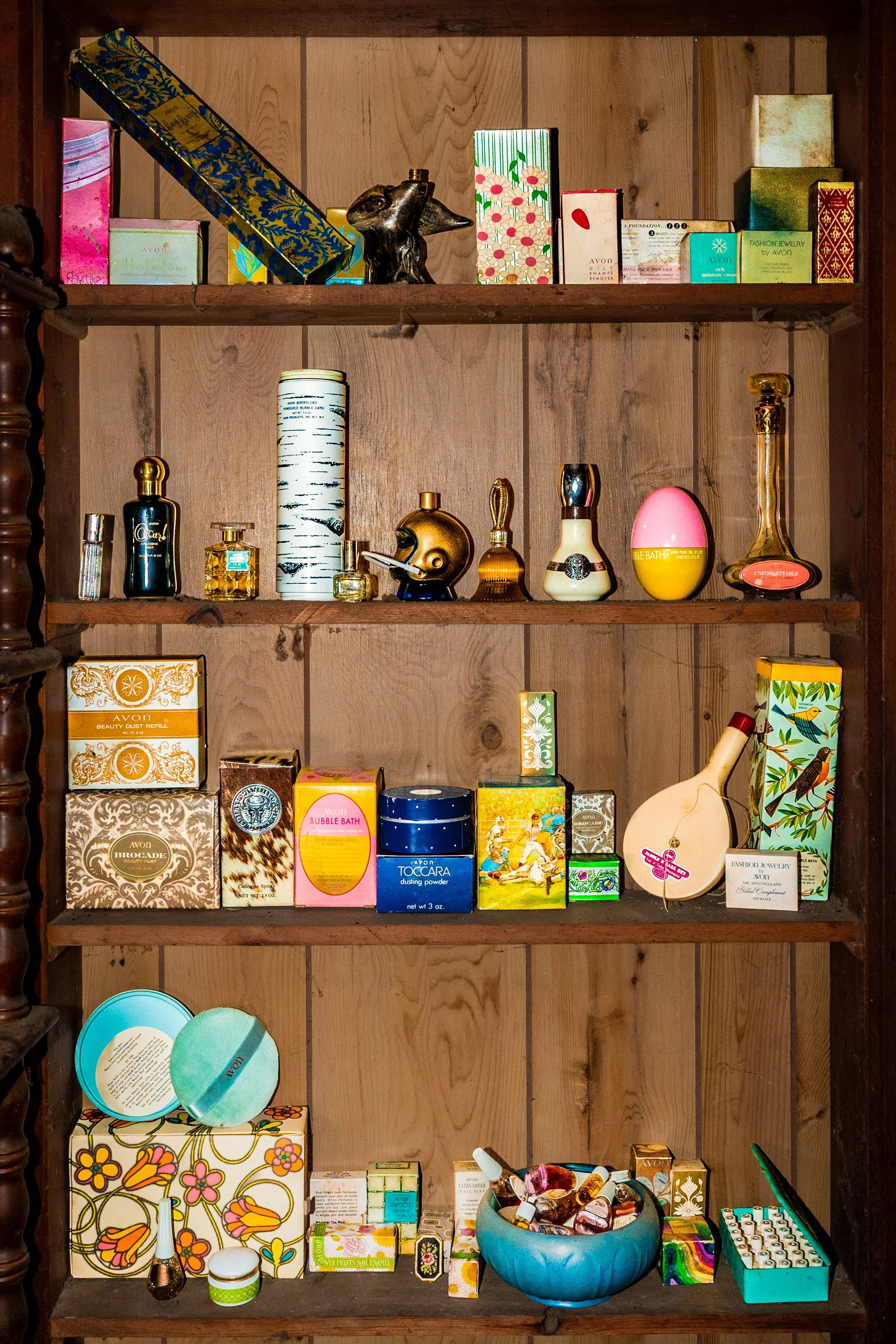
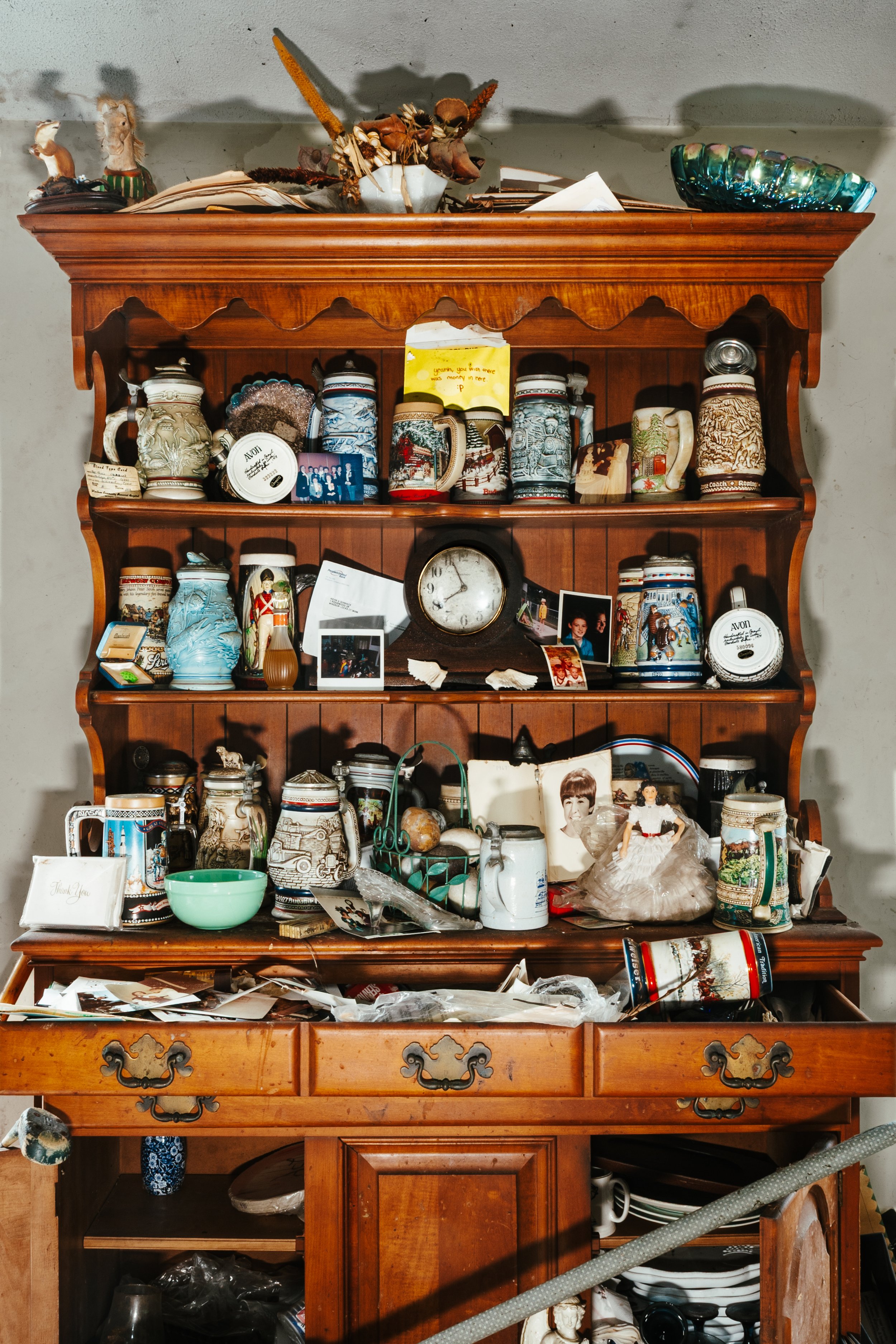
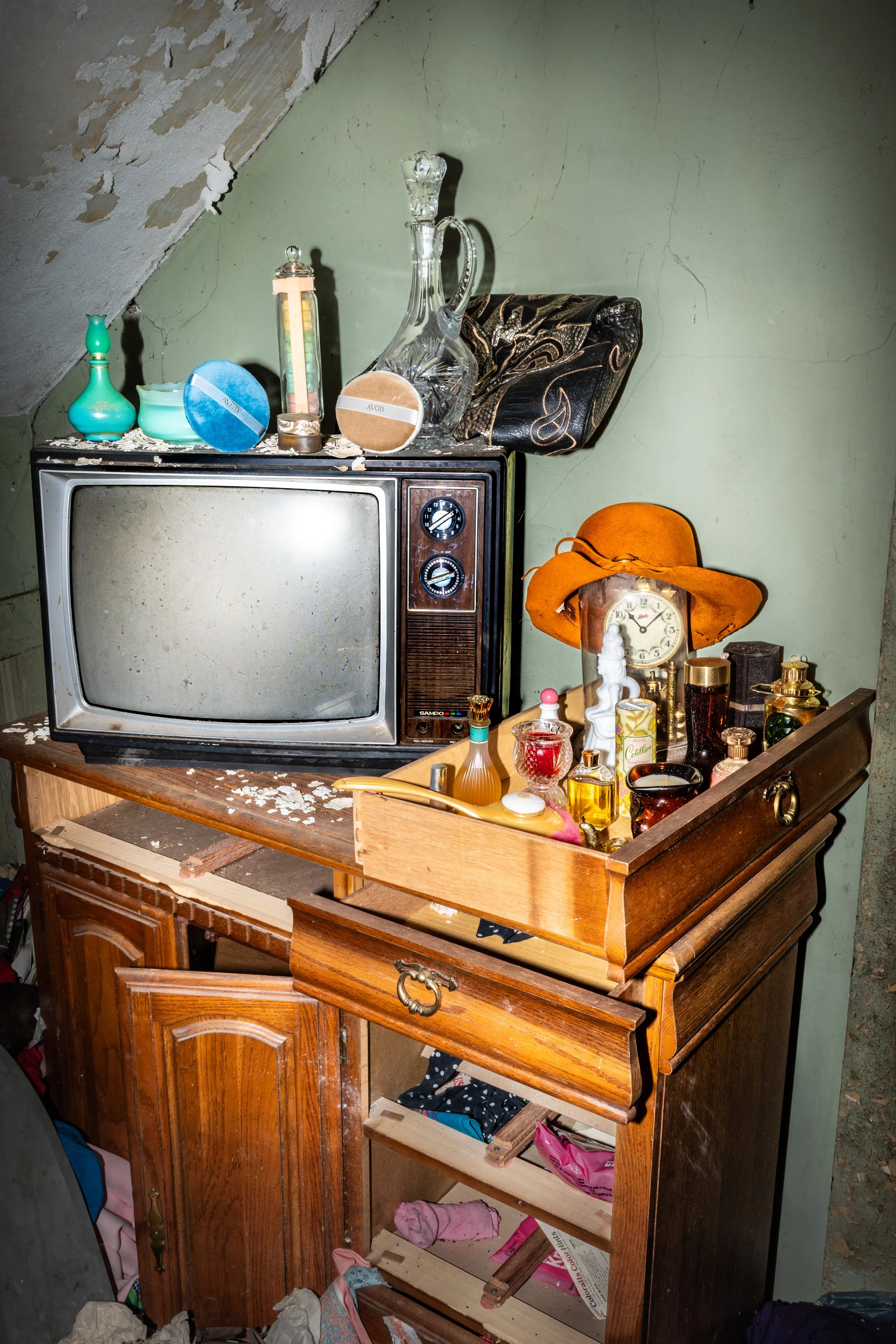
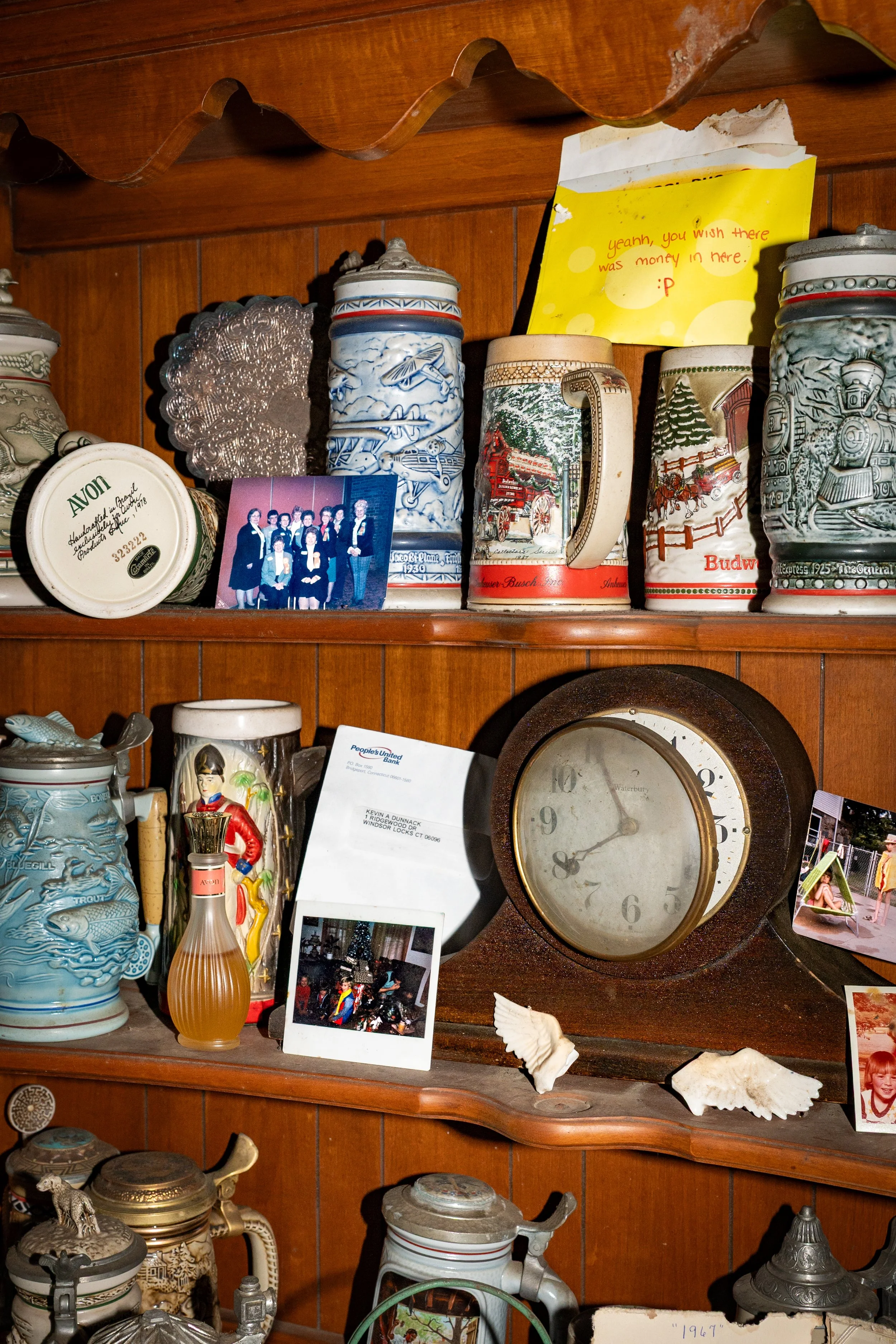
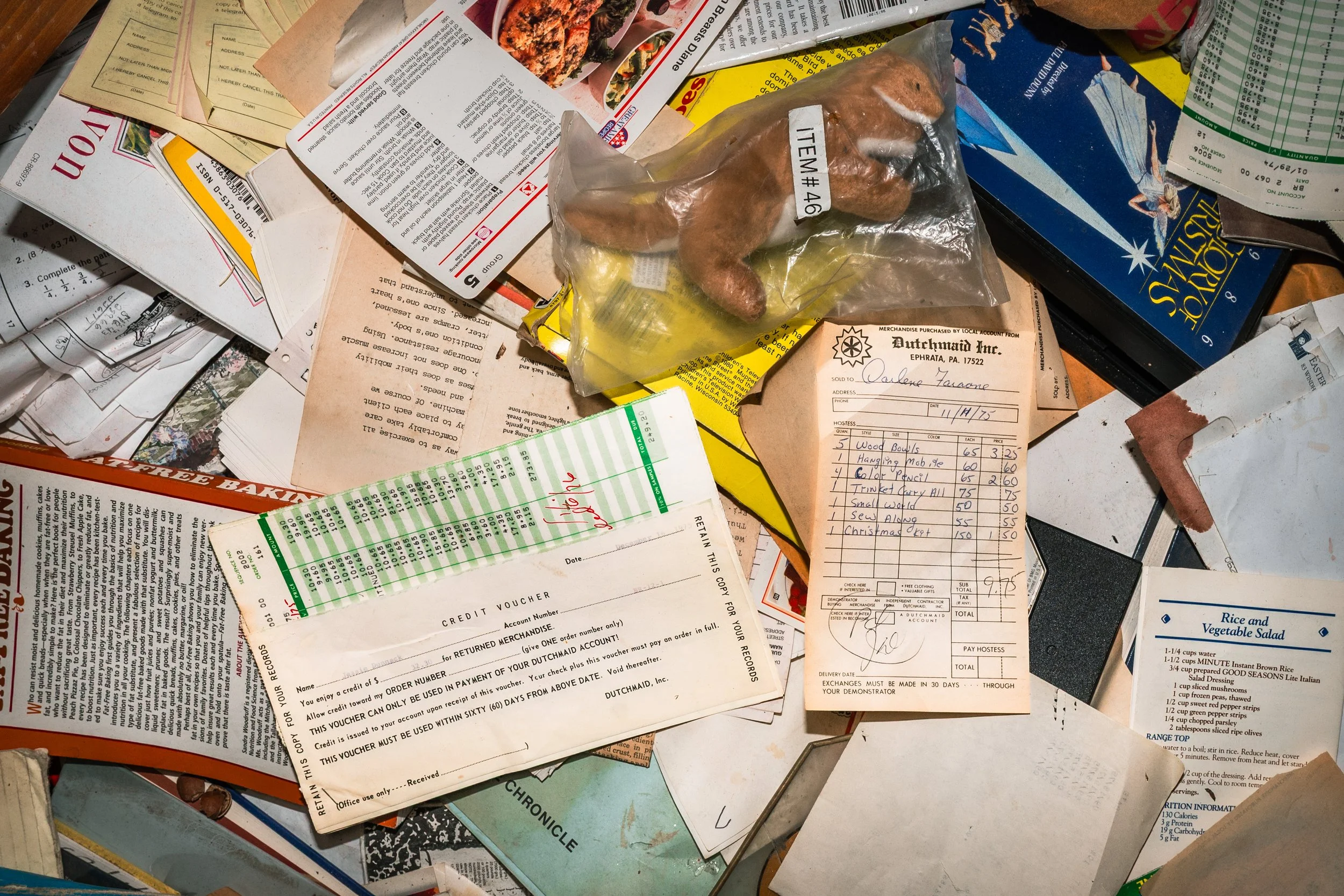
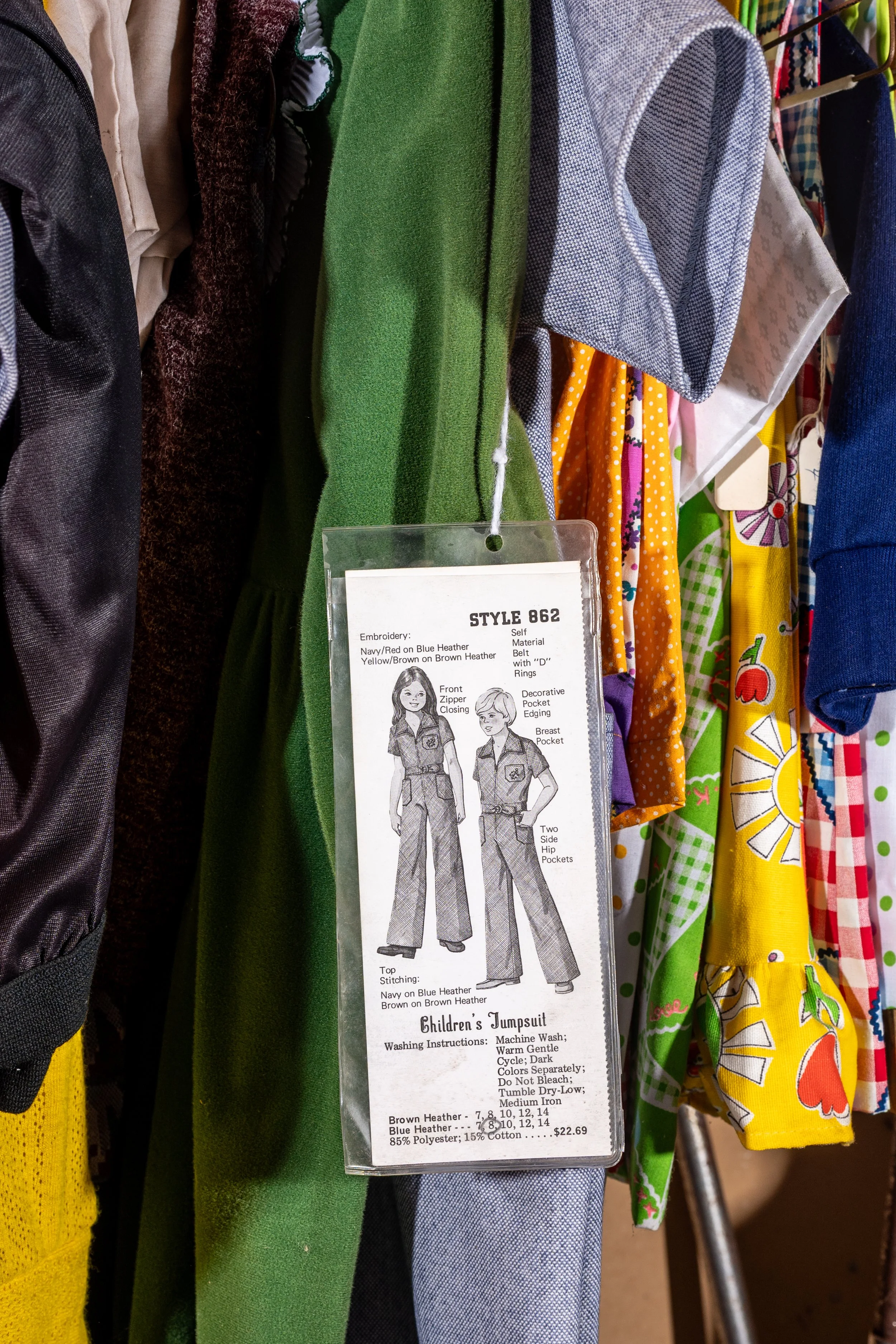
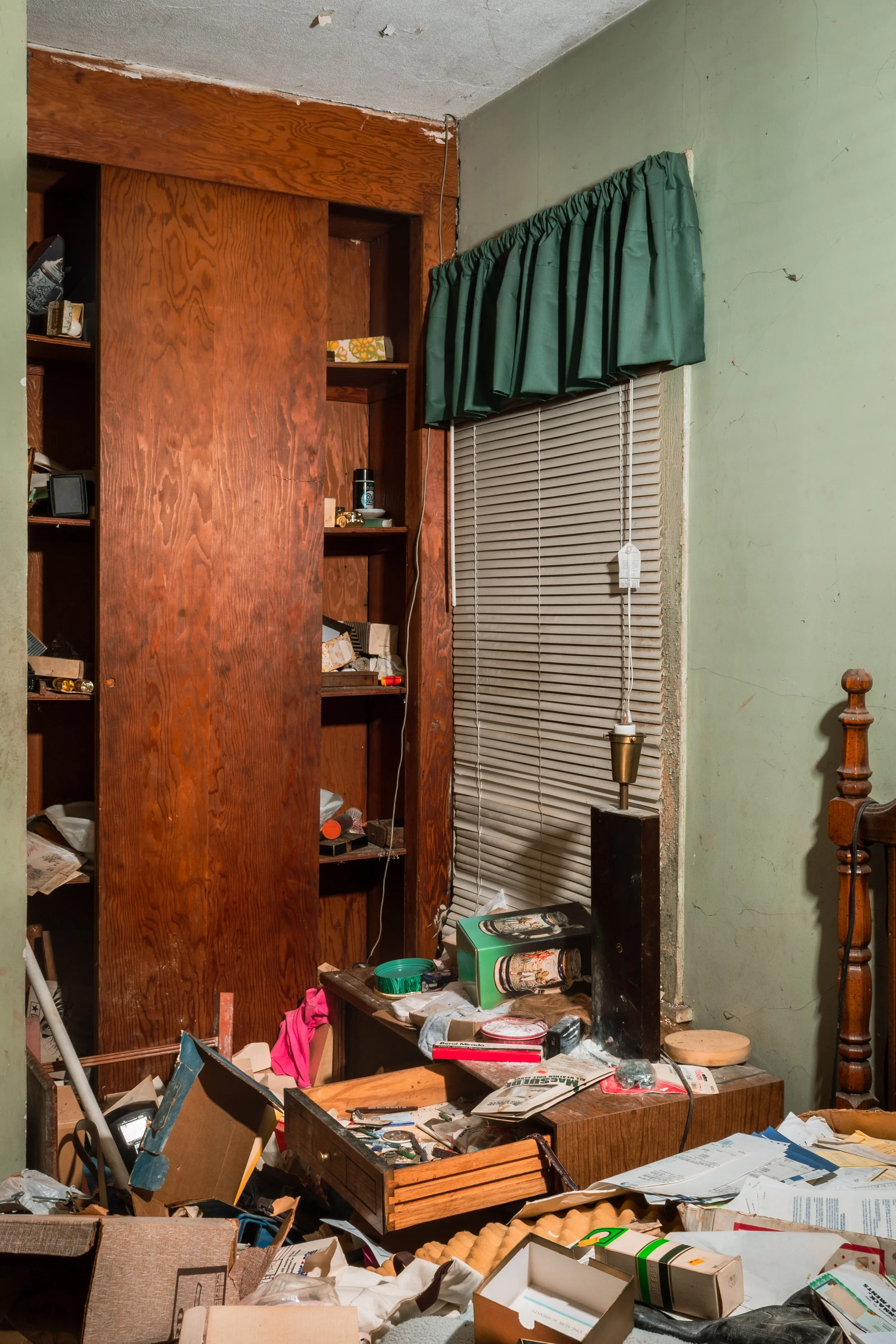
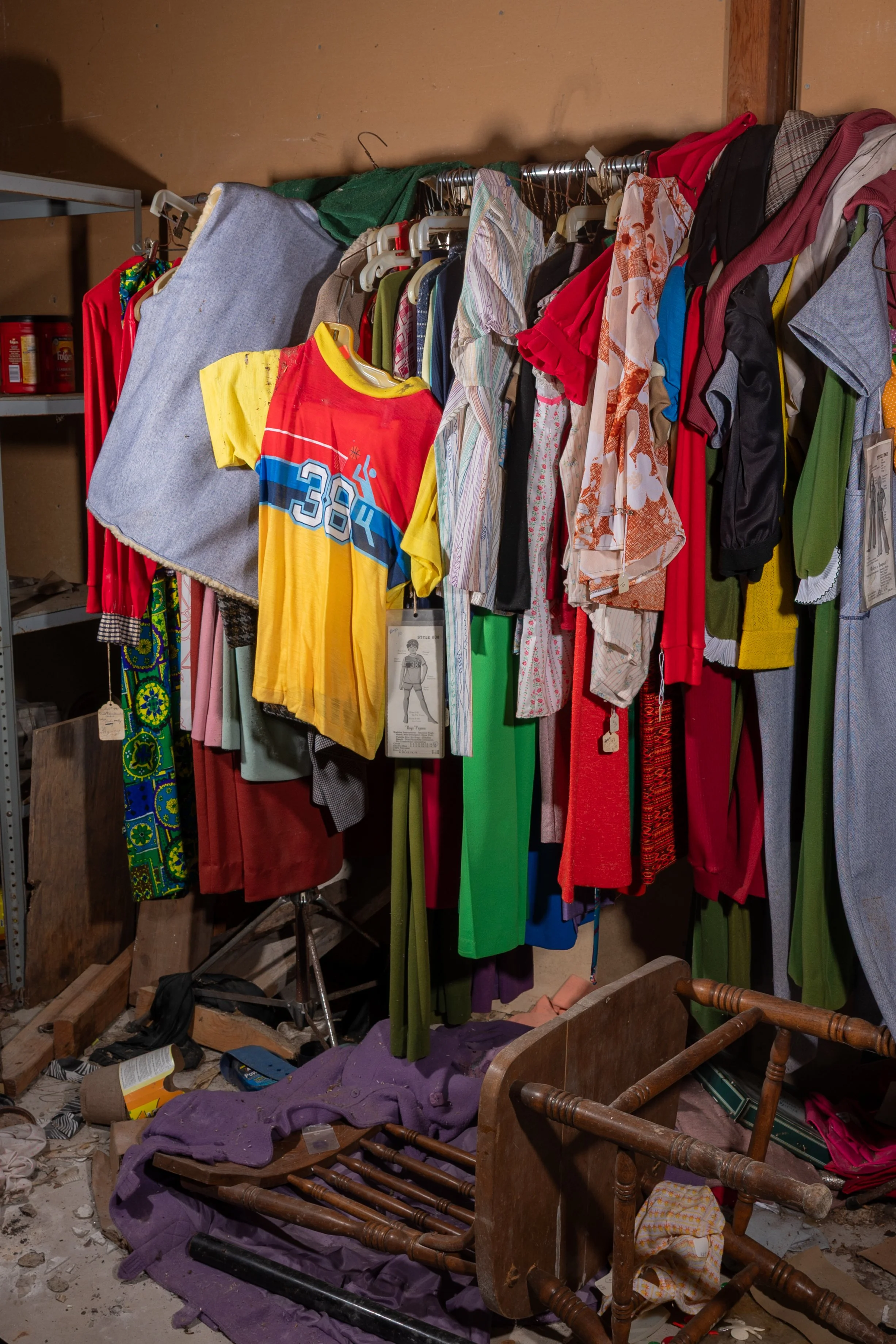
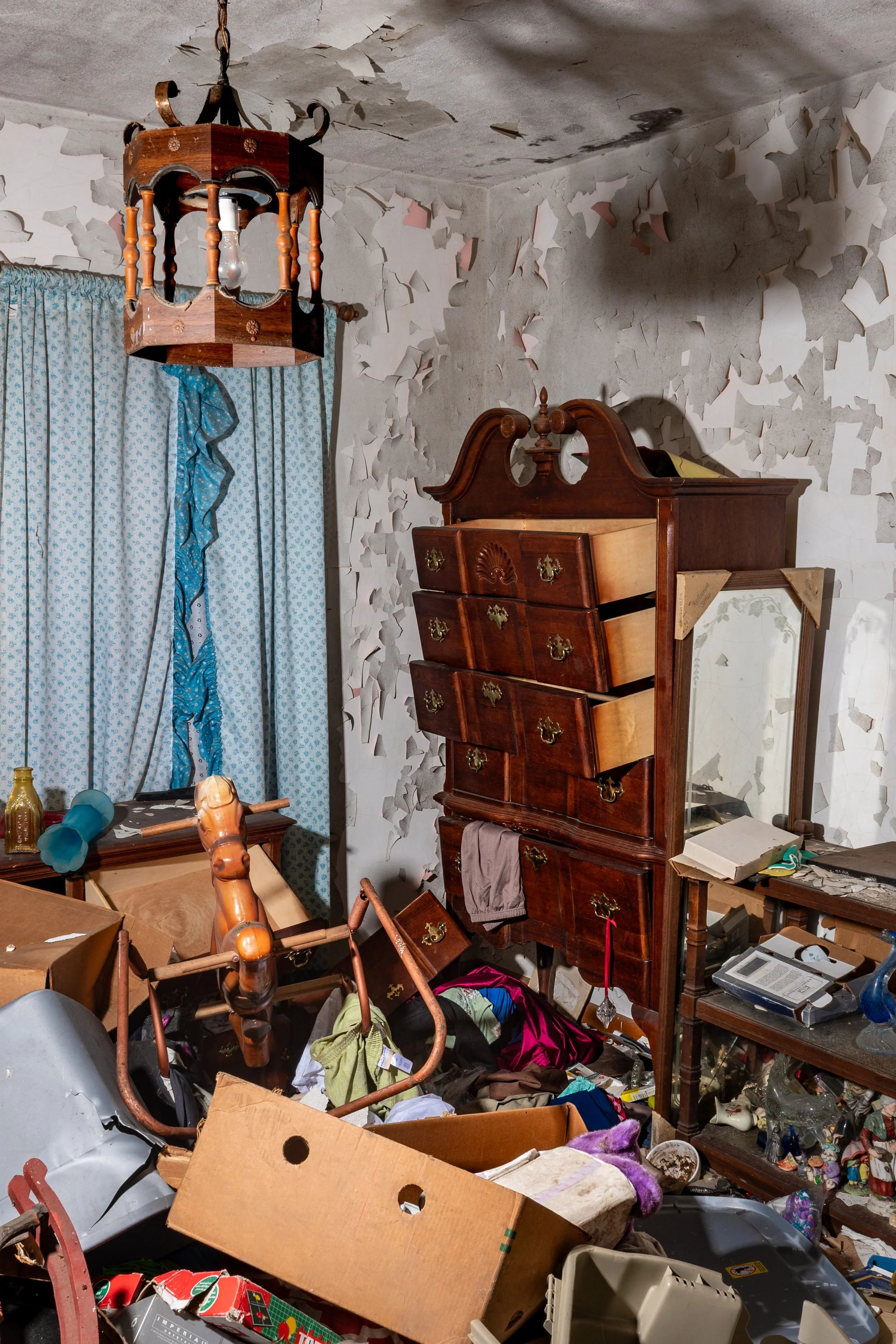
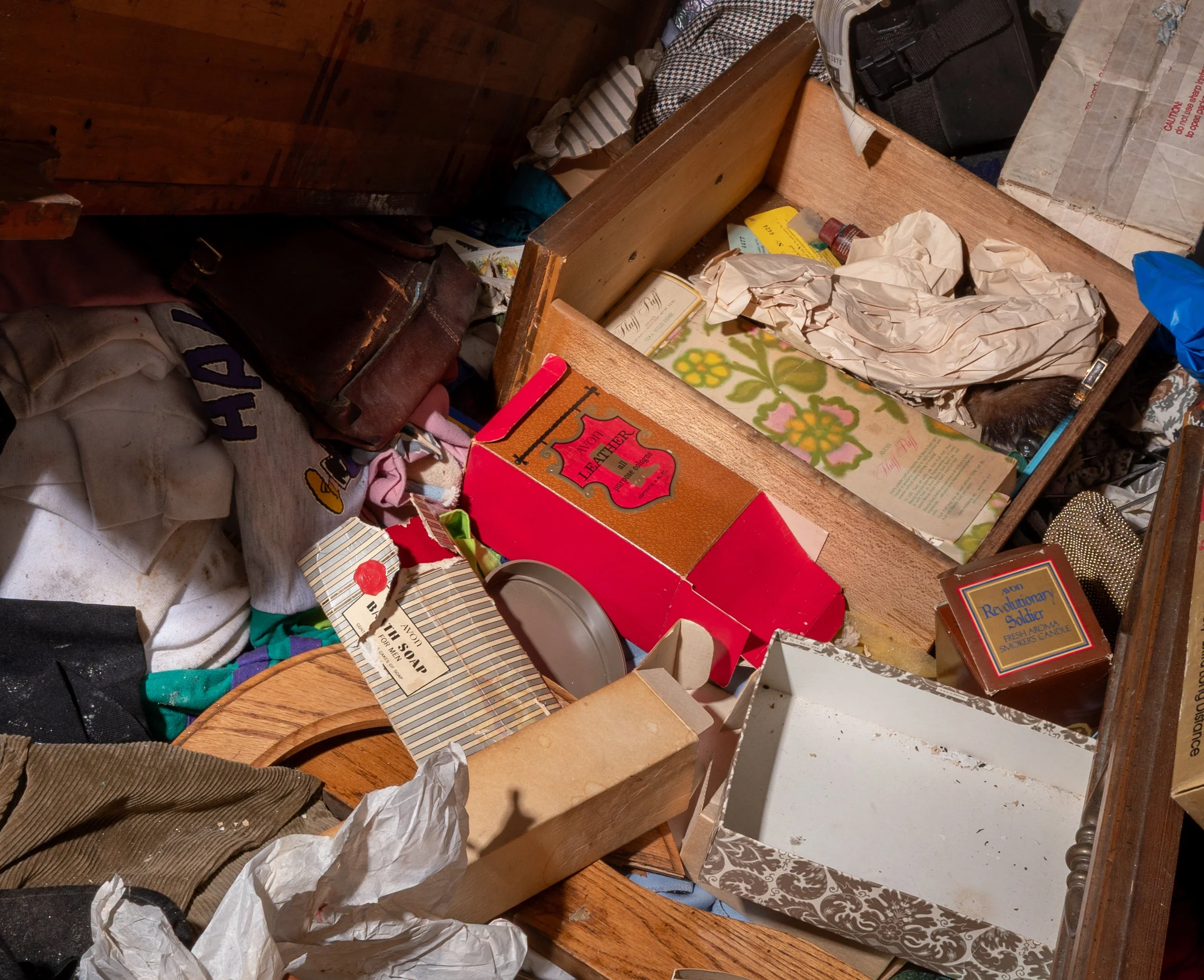
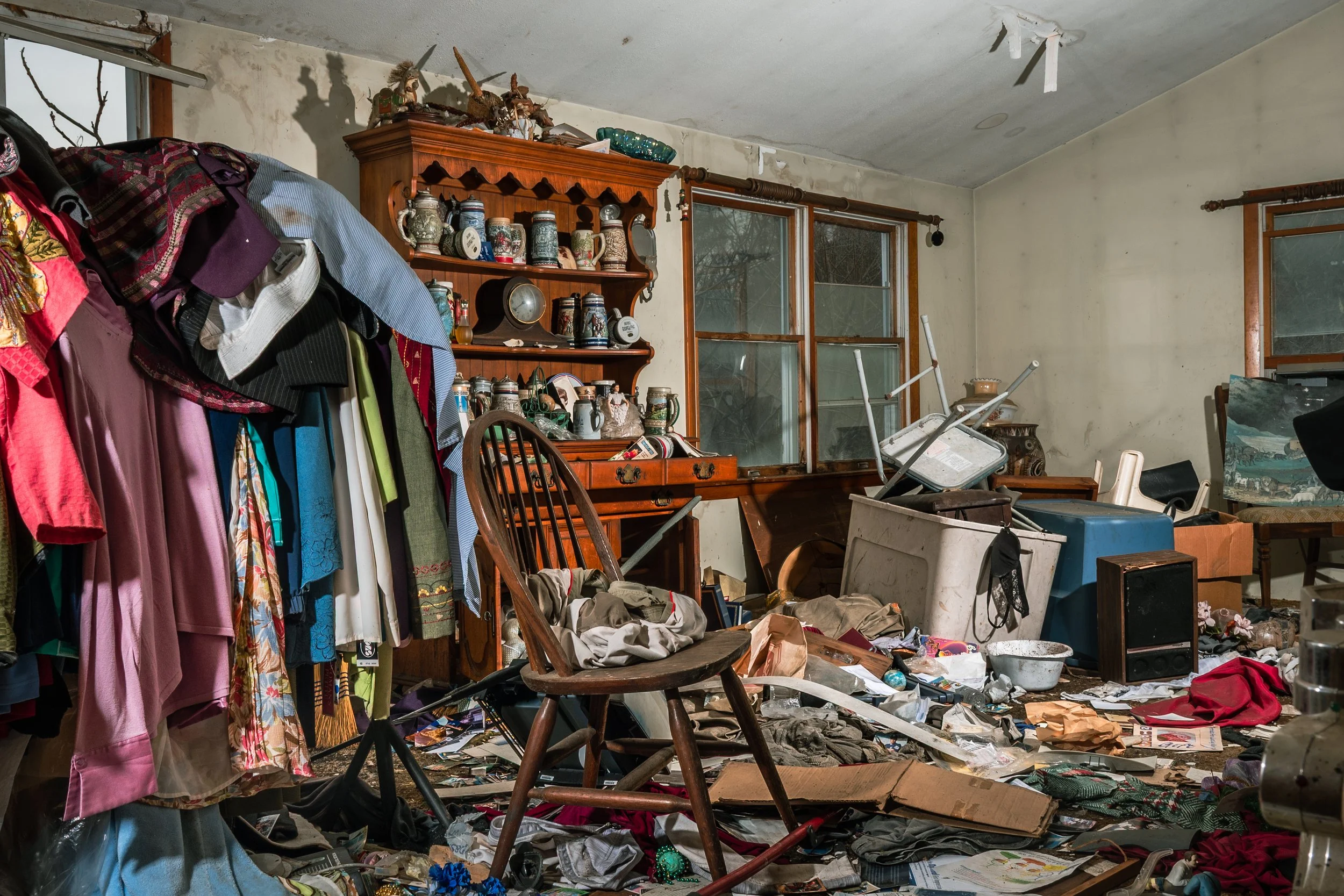
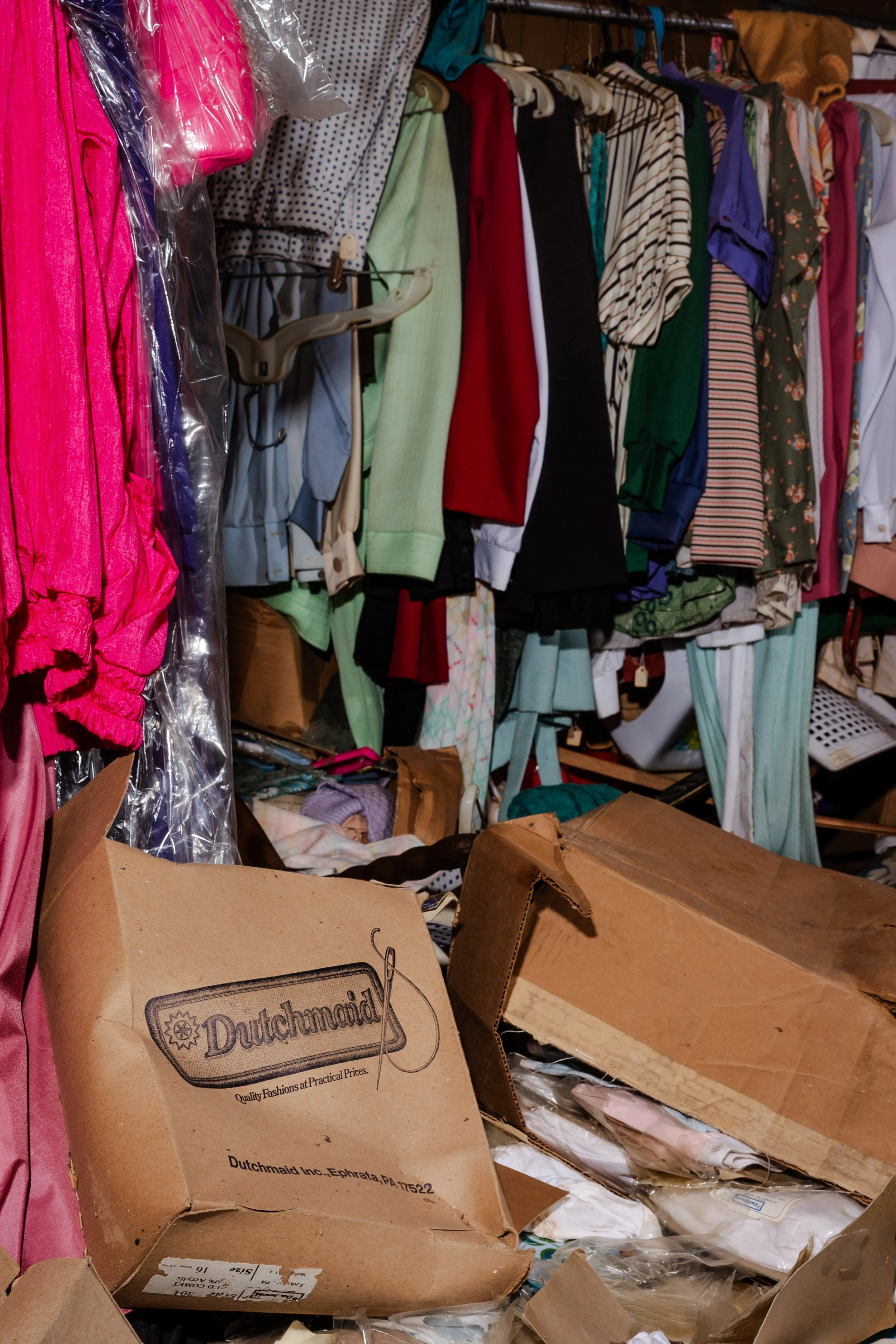
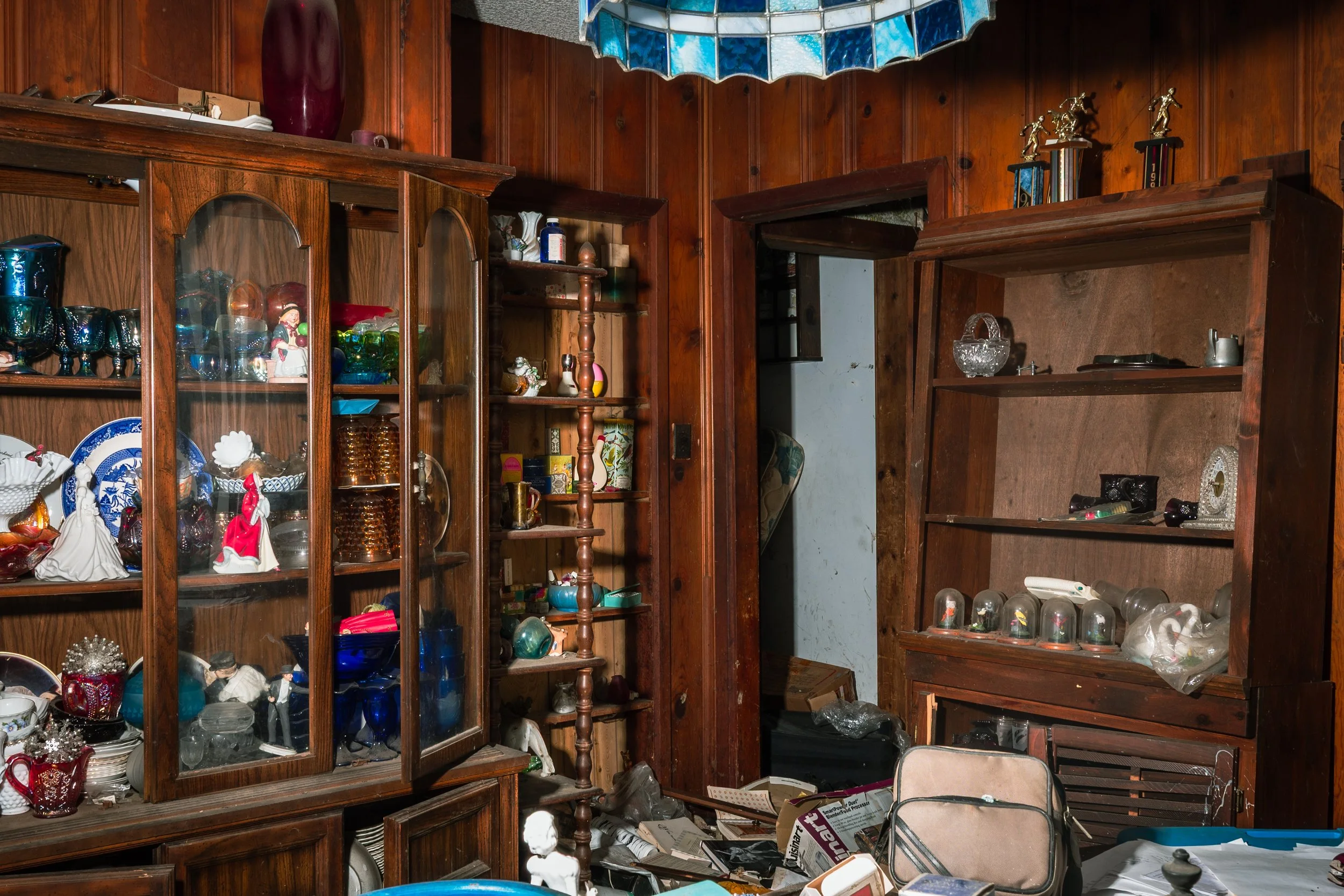
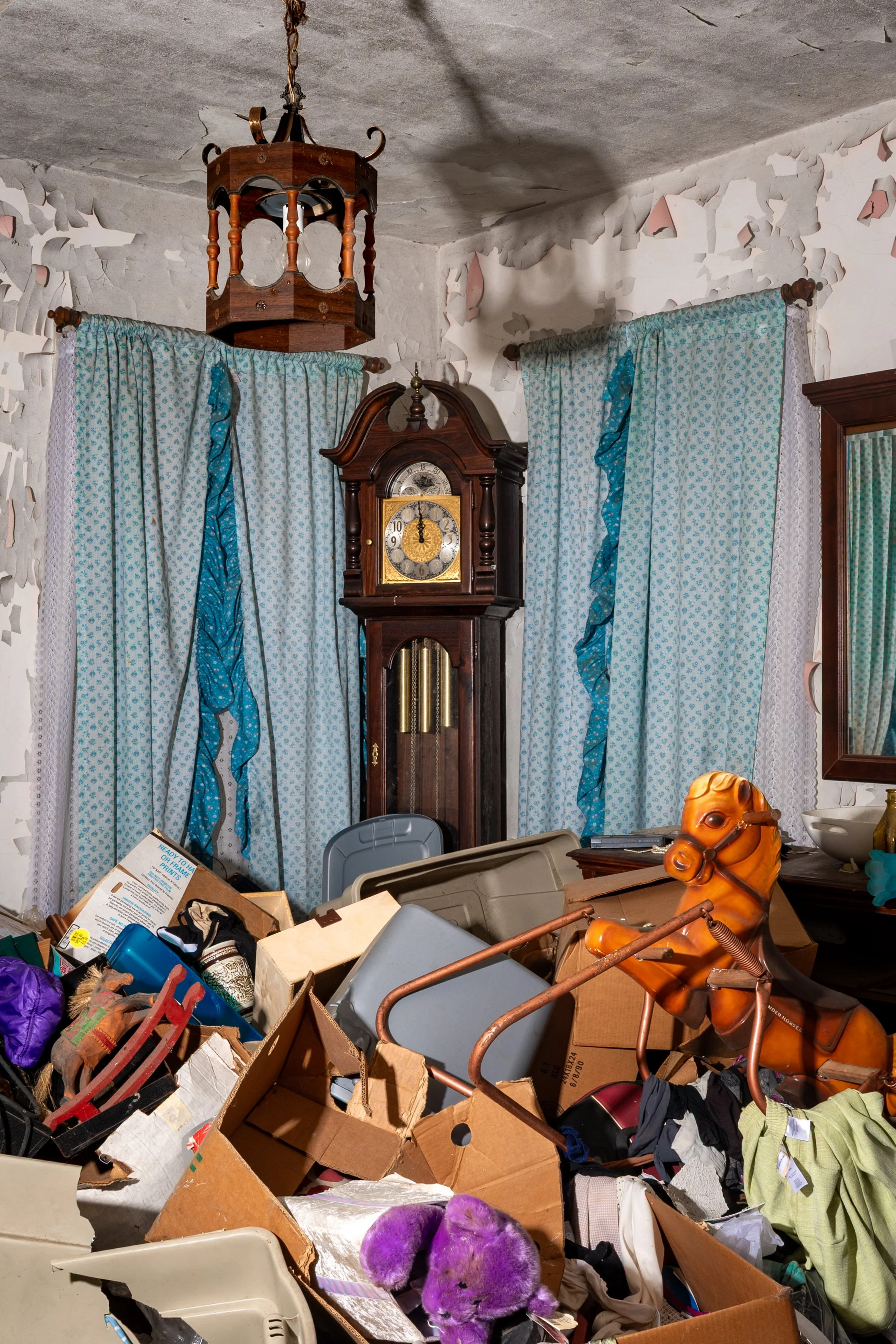
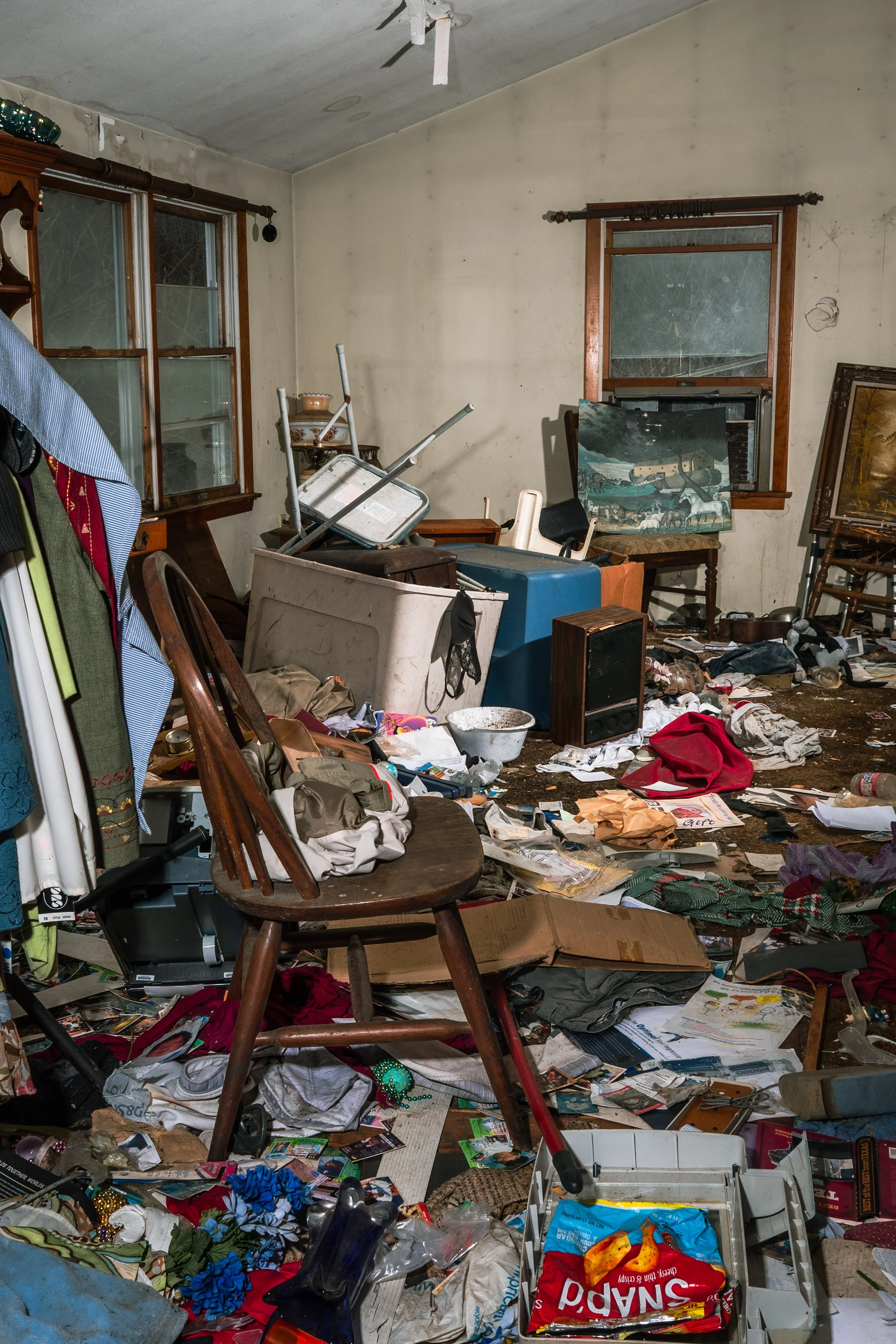
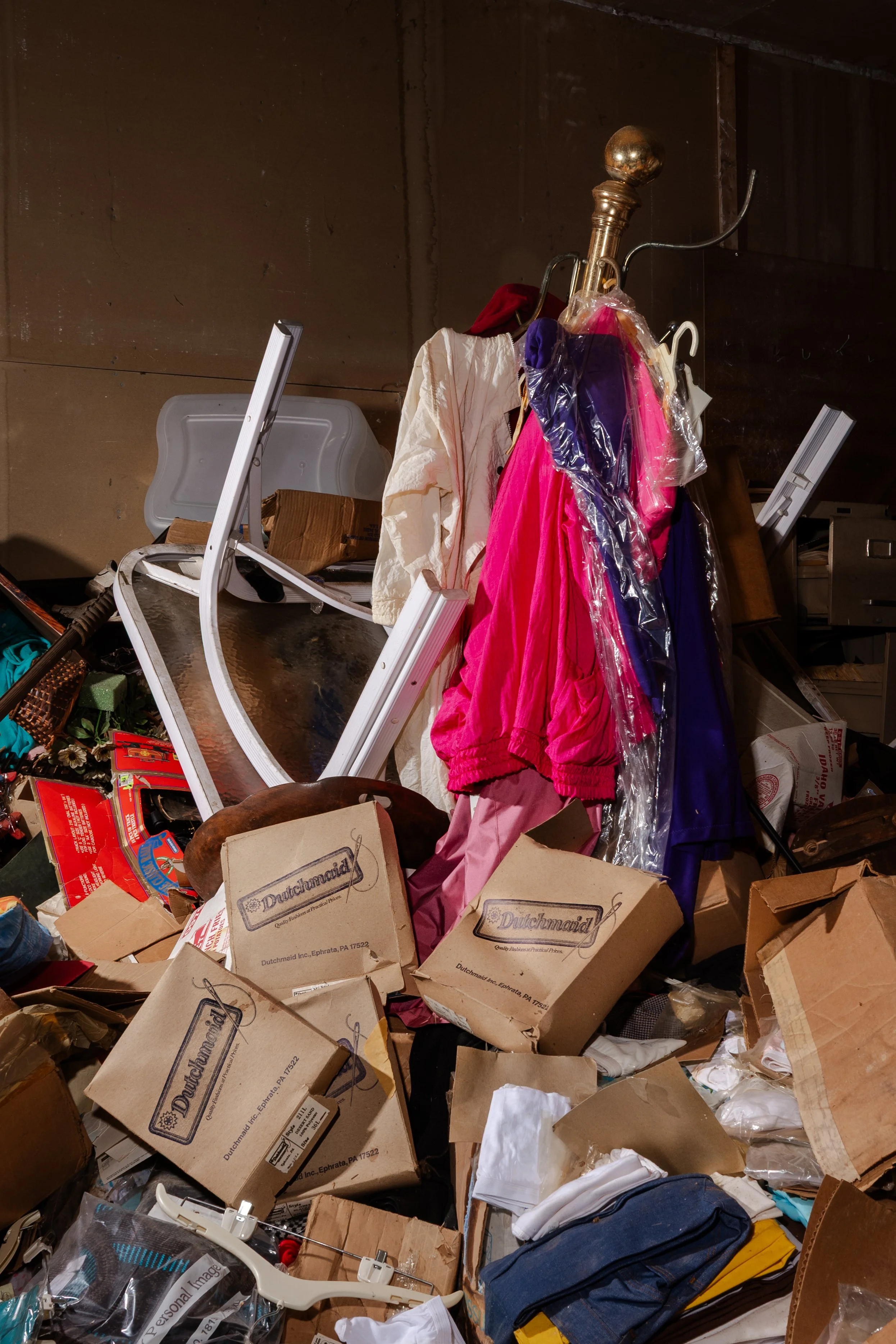
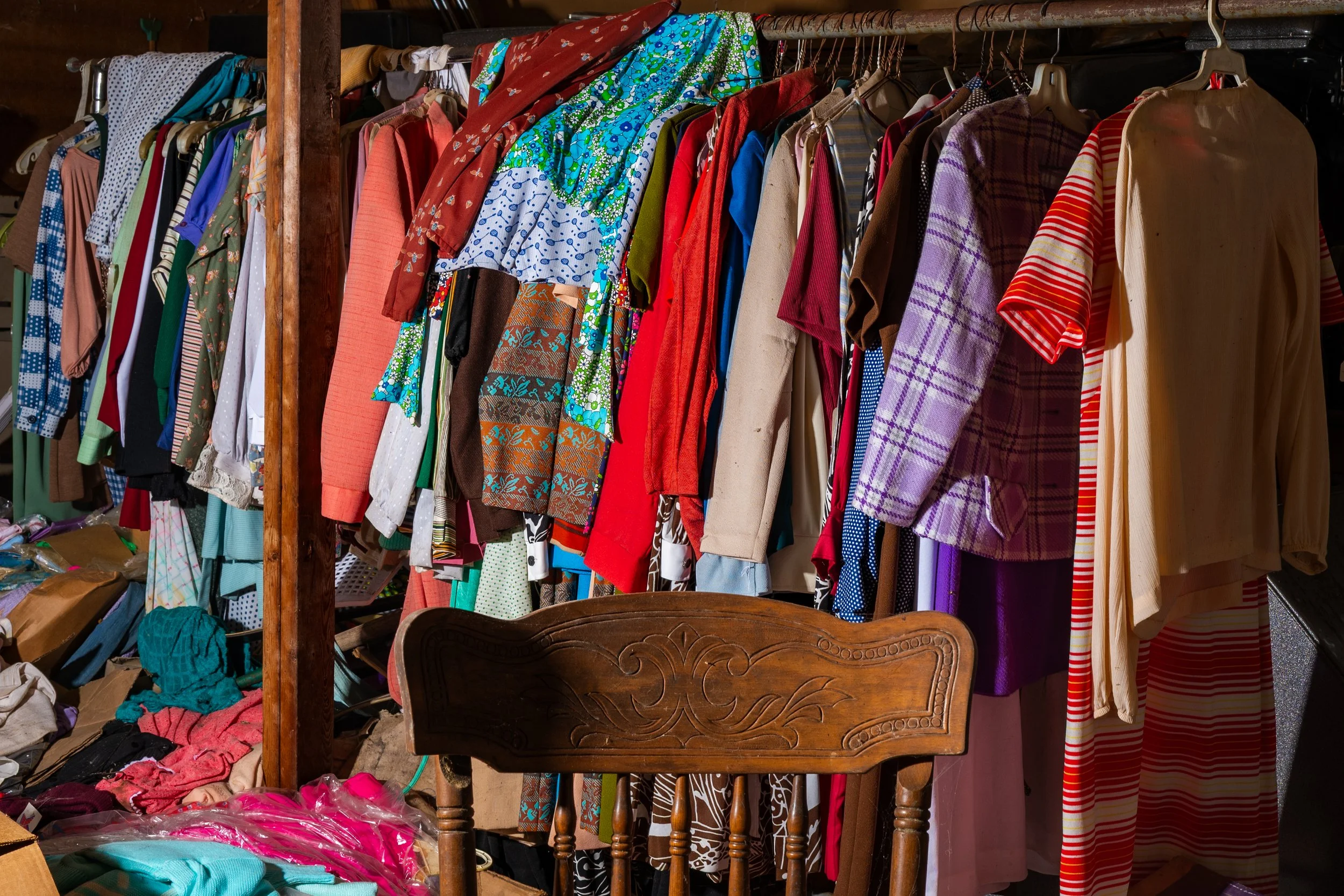
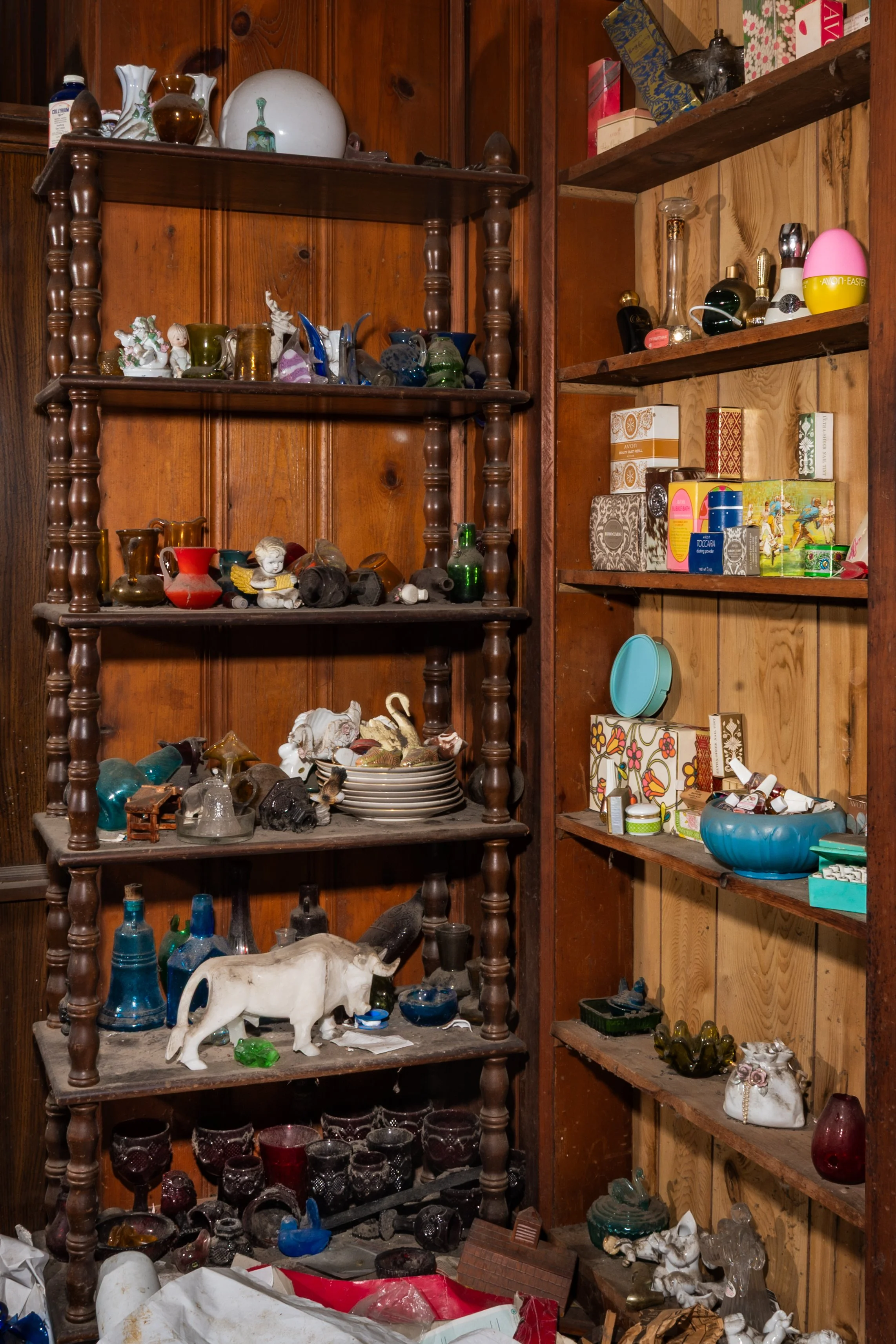
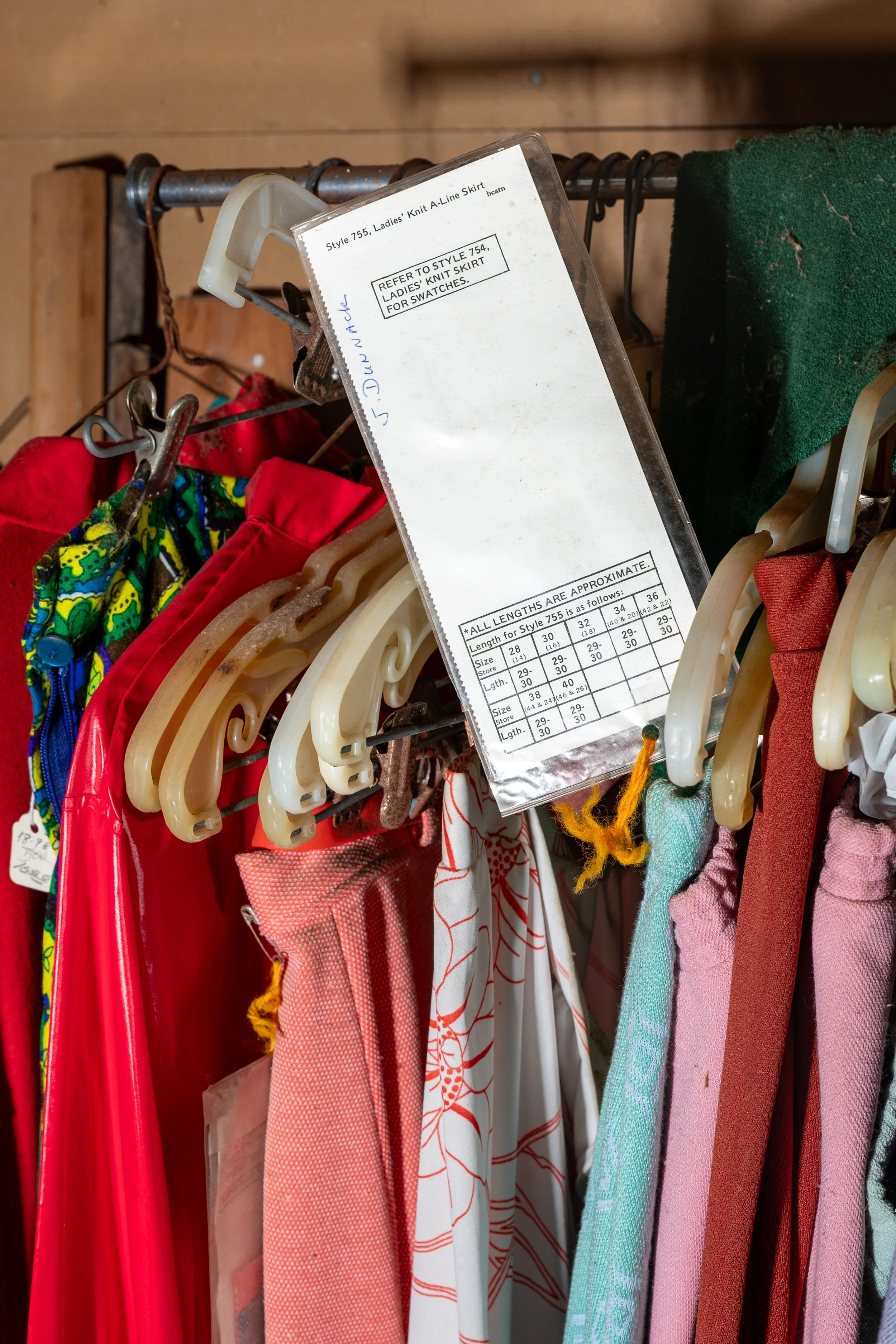
This is a deep dive into the urbex (urban exploration) community’s notorious Avon lady house. Norah aimed to figure out who the Avon lady and mother of this family was, her motivations to participated in Avon, and the relationship between her, her husband, and their finances. Through investigating the letters, bank statements, personal objects, and photos left in the abandoned house, Norah discovered that the grandmother (unclear whether she was the mother of Avon Lady or the husband), who lived in the home with them, was a part of another company with a very similar structure: Dutchmaid Inc. This company would host “party-plan selling events” where “fashion stylists” would host parties and sell pre-made clothing and manuals to create the garments. This grandmother was one of the many women of the mid-1900s that found ways to make money through alternative paths, because women were not permitted to own credit cards. This practice was passed along to our Avon Lady. It was apparent by the amount of merchandise and how prevalent Avon was within the home that Avon Lady worked incredibly hard within the multi-level marketing brand to help her family, specifically her two sons who had a burning passion (and are very successful now) for bowling. This is a clear story of a dedicated mother loyal to her family and her work, traits and skills learned from a prevalent mother figure in her life. However, every bank statement Norah found in the house was under the husband’s name. This is not much of a surprise because of the limitations put upon women relating to money that was stated earlier, but the decades Avon Lady was working for this company should align with the liberation of these institutionalized behaviors. Of course, we are assuming much and guessing at the timeline, but looking at the grandmother’s practices within Dutchmaid Inc., we can infer that these societal expectations and norms were passed down to Avon Lady. This is a perfect depiction of how women fought indirectly against gender discrimination within finances and ownership to provide for their families, but also how even after systemic legal inequality is corrected, stigmas and structural inequality remain and are often passed down. No matter the true story hidden within our hypotheticals, it is clear that both of these specific women were incredibly strong and successful at what they did, all for their family.